


Sicilian sweets are a living archive of conquests, cultural exchanges, religious rituals, and extraordinary local ingredients. Fine almonds, traditionally processed cocoa, fragrant citrus, dried fruits, and rare ingredients like manna make Sicily a unique land for confectionery. Each dessert tells a story while showcasing the skill of Sicilian pastry chefs in transforming simple ingredients into unforgettable creations.
Here’s a deep dive into five pillars of Sicilian tradition: almond paste, cannoli with manna, frutta martorana, Modica chocolate, and cassata.
Almond Paste: Sweetness from the Monasteries i
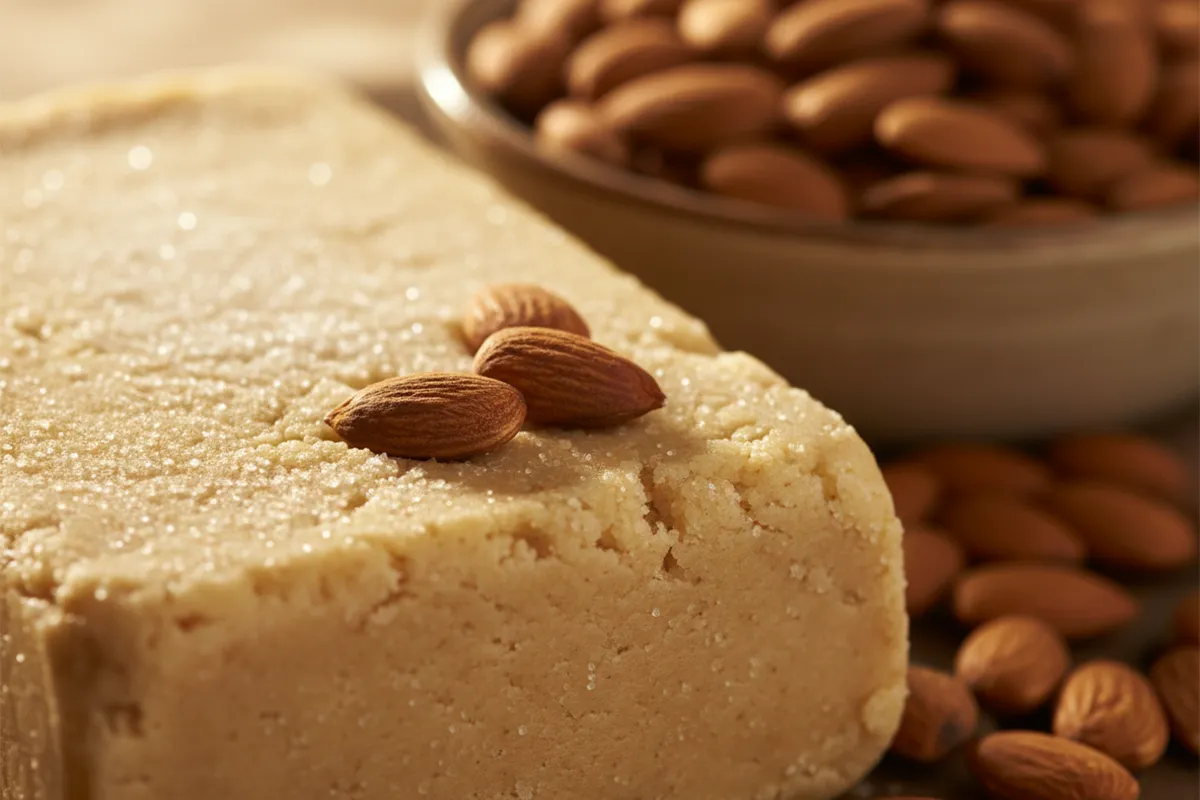
Almond paste originated in medieval convents, particularly in eastern Sicily, where nuns preserved recipes passed down with almost liturgical precision. They used local almonds — including the famous Pizzuta d’Avola — to create desserts that were both nourishing and long-lasting. The recipe is simple: finely ground almonds, sugar, and egg whites. The inside stays soft, while the outside forms a slightly caramelized crust. Shapes vary: round, diamond-shaped, decorated with citrus peel, candied cherries, or whole almonds.
Modica Chocolate: A Pre-Columbian Legacy
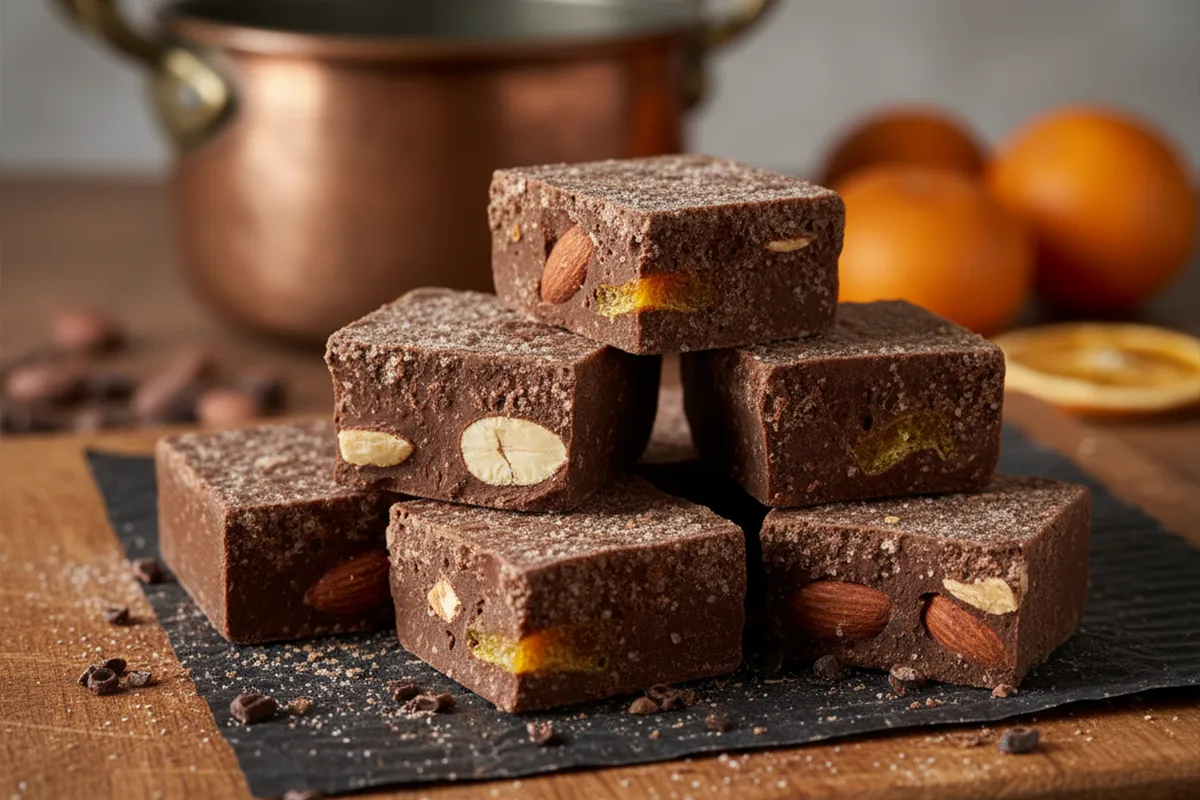
Modica chocolate is nothing like the chocolate you find in regular supermarkets. Its uniqueness comes from a technique introduced by the Spanish, inspired by Aztec methods: a “cold” process, at low temperatures, without conching or homogenization. This preserves the cocoa’s natural texture and aromas that industrial chocolate production tends to flatten.
The result is a bar with a unmistakable texture: rough, grainy, with visible sugar crystals that you can feel as you bite. The flavor is straightforward and intense, thanks to a simple recipe that uses only cocoa, sugar, and natural aromas like cinnamon, citrus, or chili.
What sets it apart is how it behaves in the mouth: it doesn’t melt like traditional chocolate, but breaks cleanly, releasing its aromas gradually. Recognized with the PGI designation, it’s considered one of the most authentic and oldest expressions of artisanal chocolate-making tradition.
Frutta Martorana: the masterpiece of the Benedictine nuns
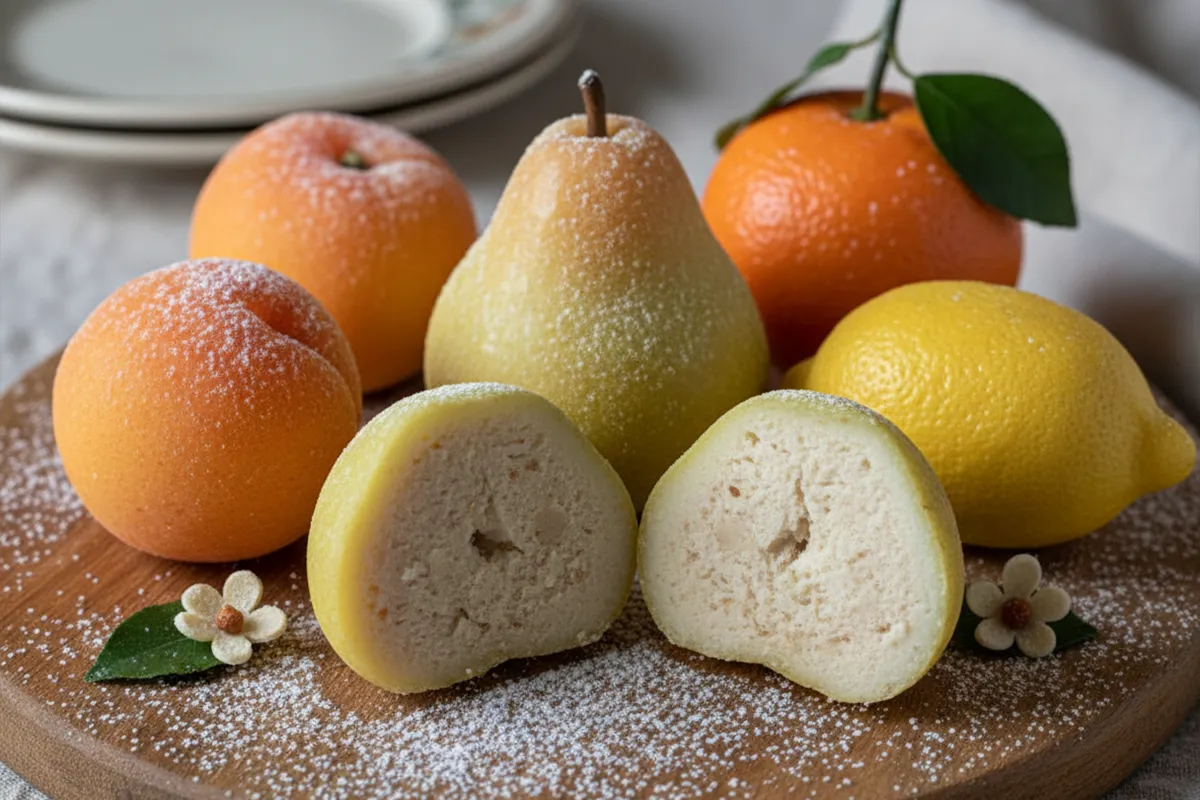
Marzipan fruit dates back to the 12th century at the Martorana convent in Palermo. Legend has it that the nuns created marzipan fruits to decorate a bare garden for the archbishop’s visit. The result was so realistic that marzipan fruit became an icon ever since.
Made from an almond-and-sugar paste, each piece is shaped and hand-painted. The realism is astonishing: fruits, vegetables, and small objects are reproduced with edible pigments and extreme precision. Today, Sicilian pastry chefs still prepare these treats in autumn, for the Festa dei Morti celebrations.
Our Cannoli: a classic tradition reimagined
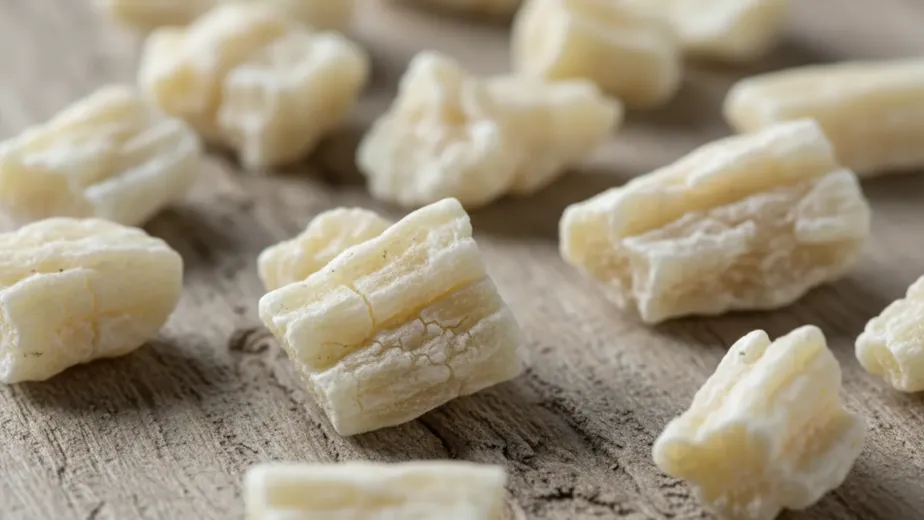
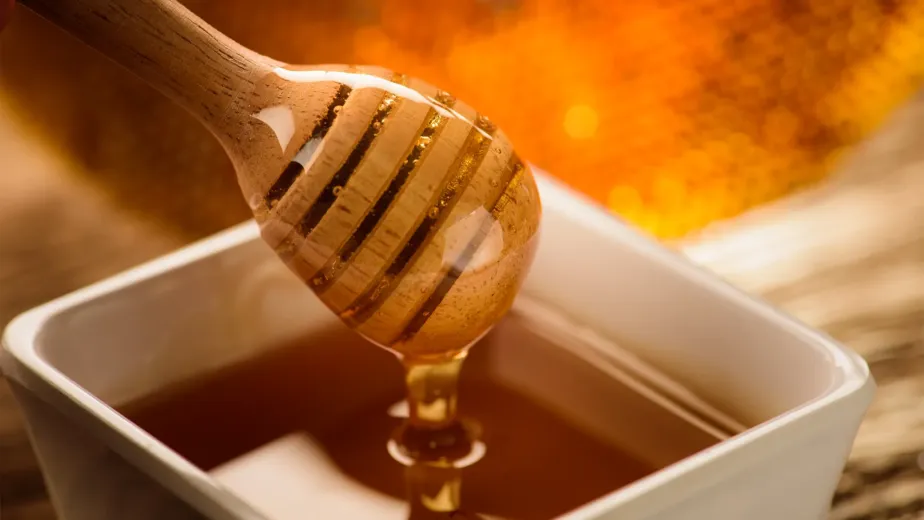
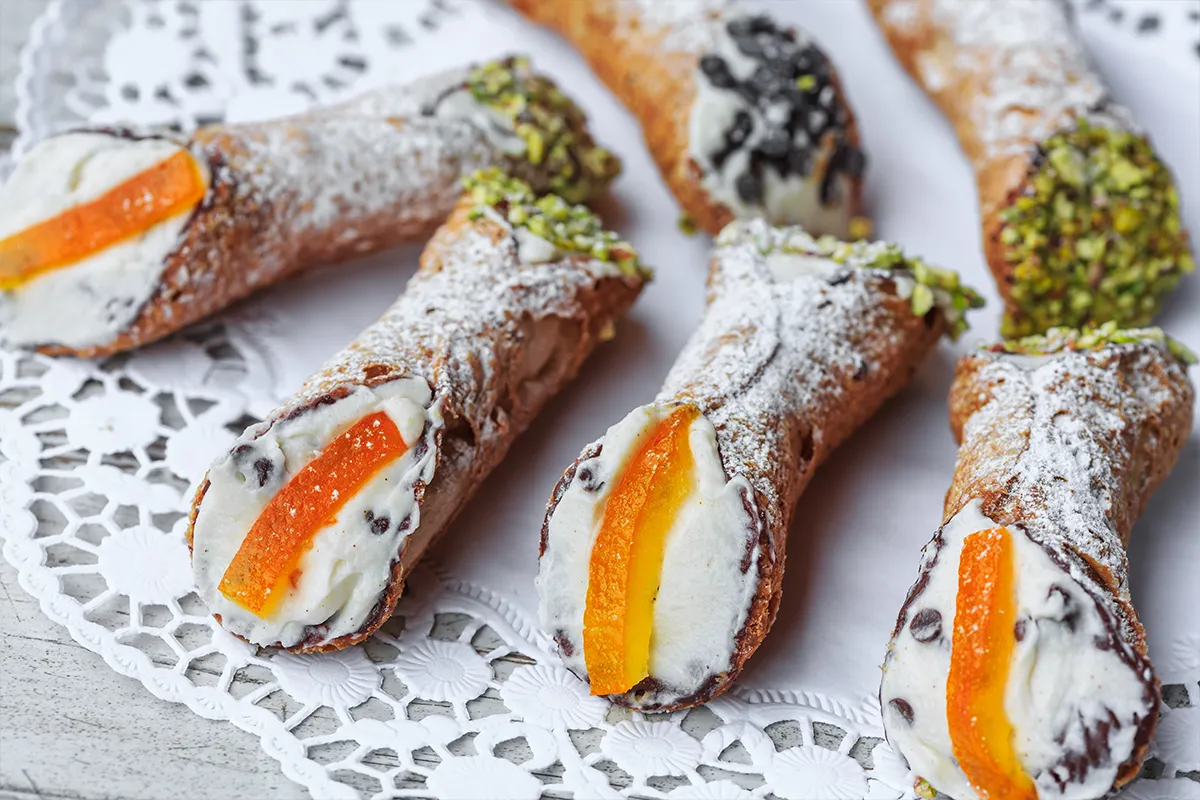
Sicilian cannoli trace back to the Arab domination and were traditionally a Carnival treat, symbolizing abundance and good fortune. Later, cloistered nuns perfected the recipe: a crisp fried shell filled with sweet, creamy ricotta. In our version, ricotta is replaced with a manna filling. Extracted from ash trees in the Madonie Mountains, manna gives the cream a natural, delicate sweetness, with subtle aromatic notes and a smoother, silkier texture. The result is an elegant, balanced filling that highlights the crisp shell, which, true to tradition, must “crunch” at the first bite.
Sicilian Cassata: the baroque triumph
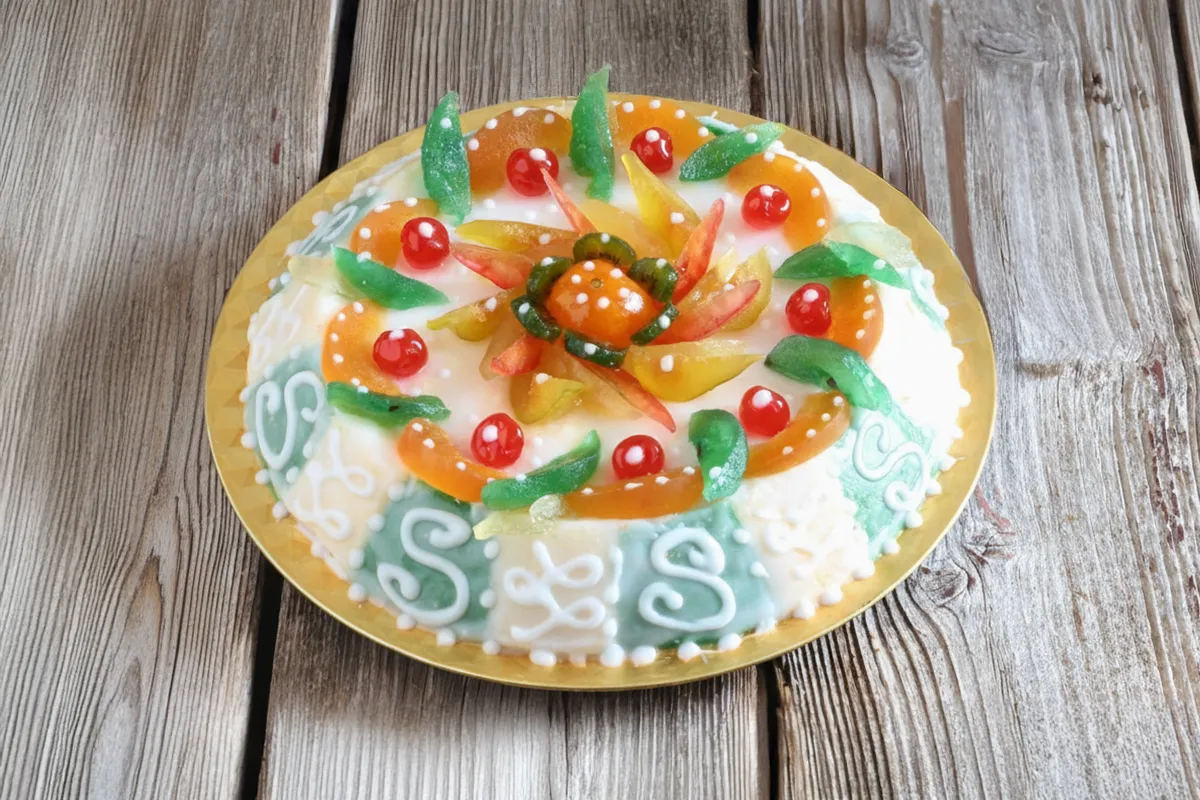
Cassata comes from an Arab dessert of sweetened ricotta (its name derives from qas’at, the bowl used to shape it). Over time, thanks to the Normans and baroque creativity, it was enriched with sponge cake, green marzipan, icing, and candied fruit.
When sliced, it reveals soft, fragrant layers: moist sponge, almond paste, sweet ricotta cream, and often chocolate chips. Its decoration is intentionally elaborate, though simpler versions like baked cassata are also traditional. Each province offers its own interpretation, varying sugar, candied fruit, and flavorings.
If you want to experience these authentic sweets or bring them to your table, visit our shop and choose your favorite Sicilian specialties. The only exception is cassata: too delicate to ship, it can only be enjoyed in person at our bistro in Palermo, made exactly according to tradition.